Asian investors breathed easier following statements from US President Donald Trump paused most "reciprocal" trade tariffs first thing on Thursday morning , instilling hope among various nations — driven to the limits of their financial acumen — to secure a more favorable agreement with the United States.
Small Asian economies, from Bangladesh to Vietnam faced considerable difficulties following Trump’s announcement of extensive trade tariffs the previous week. Nonetheless, it remains premature to declare victory since the U.S. President has merely provided a 90-day delay, which means exports remain uncertain. US Market overshadowed by uncertainty.
At first, Washington declared a wide array of tariffs the previous week, with some rates reaching up to 49 percent. Cambodia and 46 percent for Vietnam, and 17 percent for the Philippines and 10 percent for Singapore - possibly resulting in significant changes to the Asia-Pacific supply chain.
Are you looking for insights into the most significant issues and developments globally? Find your answers here. SCMP Knowledge Our updated platform features handpicked content including explainers, FAQs, analyses, and infographics, all provided by our prestigious team.
This suggests that countries implementing lower tariffs might draw industries away from nearby regions. Nevertheless, an important issue lingers: How safe would these countries feel if one of their neighbors were facing significant turmoil or crisis?
The reports suggest that Vietnam and Thailand have initiated discussions with US authorities, and Indian Representatives remain optimistic about reaching an agreement. However, a major worry is that each country might have diminished bargaining power when dealing with Trump’s tough business tactics.
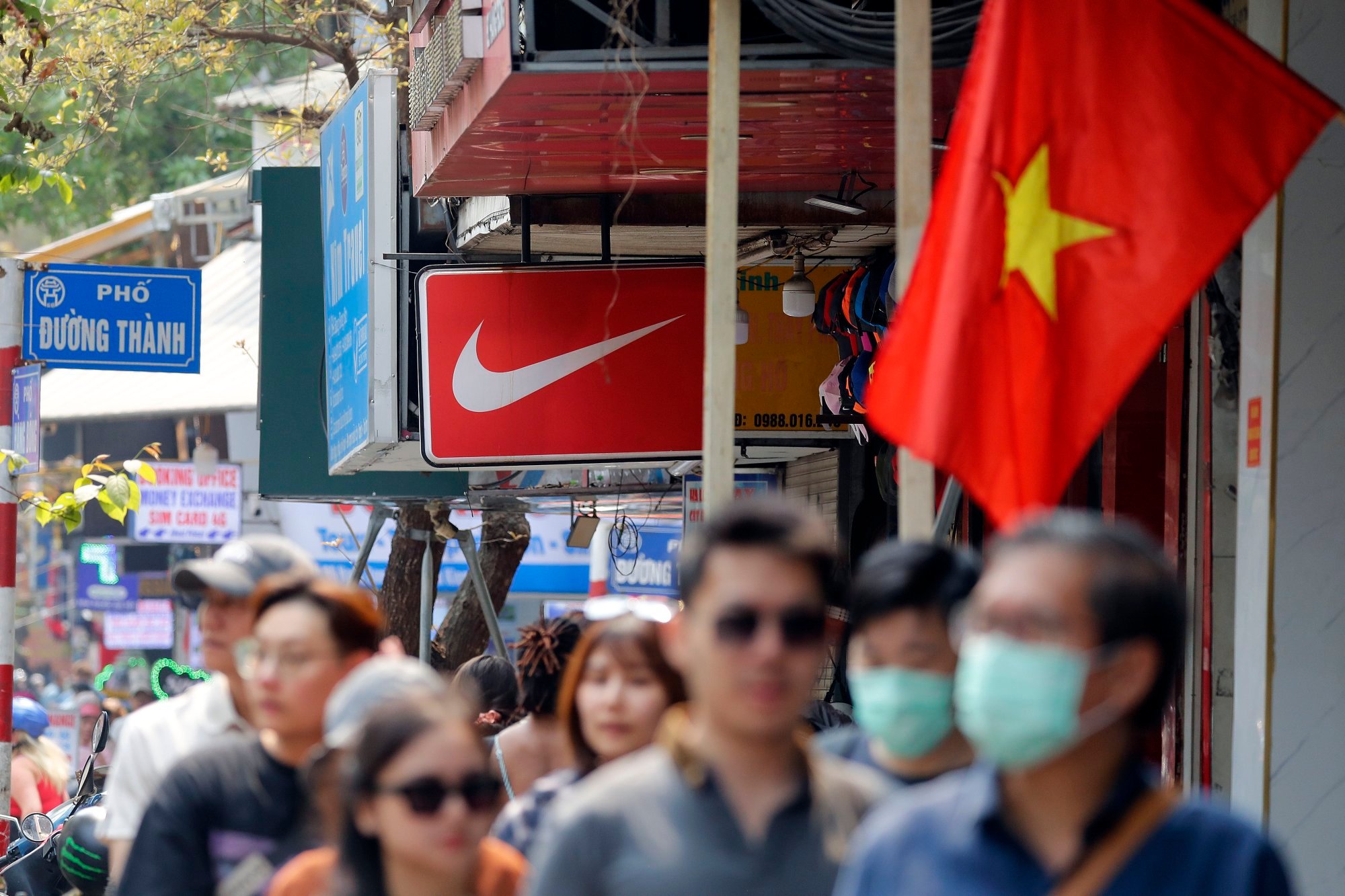
Trump's "reciprocal" tariffs align with his election campaign slogan of "Make America Great Again", and fundamentally differ from a typical win-win negotiation strategy.
Biswajit Dhar, a prominent professor at New Delhi's Council for Social Development, warned that nations might end up losing more than they achieve in upcoming trade negotiations.
Washington's tariff threats have already led to unexpected alliances. Japan, China, and South Korea will hold talks. However, there is no sign that other Asian countries have started working together to enhance their negotiating power.
The approaching tide of trade talks will considerably impact the lives of millions. Numerous lower-income nations are already experiencing financial strain because of reduced U.S. assistance for essential services like healthcare and hygiene infrastructure.
After Trump imposed tariffs, Asian exports – particularly in the garments industry – have seen a standstill. This is because U.S. purchasers began asking for reduced prices on costlier shipments.
"In nations that export garments, small manufacturing facilities might be forced to close. Given that this industry typically operates with minimal profit margins, the additional tariffs mean that numerous businesses can neither cover increased expenses nor provide extra reductions. Consequently, this situation could result in employment cuts, particularly affecting those earning lower wages," stated Lin Tian, an assistant professor of economics at INSEAD, when addressing questions regarding exports from countries like Bangladesh, India, and Vietnam.
She mentioned that exporters with slim profit margins may find it difficult to meet requests for reduced prices, which could lead to losing contracts or shutting down operations. Additionally, she pointed out that uncertainty surrounding trade policies and economic forecasts will likely hinder investments, causing companies to postpone improvements and growth initiatives.
Similar dynamics are expected to apply to various sectors despite variations in their supply chains, including industries like electronics. mobile phones where components come from various countries before being put together in assembly centers such as Vietnam, Malaysia or India, Tian said.
Small and medium-sized producers — who constitute about 97 percent of the businesses in these sectors — Asean region, according to a United Nations The Development Program report indicates that there is minimal adaptability to handle increasing expenses should tariffs be introduced.
Tian cautioned that in the near future, we might observe a reduction in supplies or postponed deliveries as companies revise their agreements. Should the trade conflict expand and become more widespread globally, it has the potential to jeopardize the sustainability of crucial supply chains entirely.
The possibility of the trade war escalating further still exists, particularly as the U.S. intensifies its stance against China , raising tariffs to over 125 percent from 104 percent while suspending duties for other countries. China has responded with tariffs of 84 percent. On American products, starting Thursday.
Additionally, on Wednesday, the European Union approved its initial series of countermeasures in response to the U.S. tariffs on steel and aluminum.
The potential for smaller Asian countries to navigate this volatile trading environment hinges on their capacity to mutualize strength through collective support, akin to Aesop’s tale of a bunch of sticks that remains indestructible once tied up as one.
More Articles from SCMP
European leaders intend to visit Beijing in July for a summit meeting with Xi Jinping.
Singapore's highest-ranking officials, including the Prime Minister, criticize former NMP Calvin Cheng regarding his Gaza posting.
Parker Posey's twin brother Christopher is a lawyer who was raised alongside her in the Southern United States. This background influenced The White Lotus star's accent for the series, and they both have similar ways of thinking.
'Game of strategic resilience': Can China outmaneuver the U.S. in an extended trade war?
The article initially appeared on the South China Morning Post (www.scmp.com), which is the premier source for news coverage of China and Asia.
Copyright © 2025. South China Morning Post Publishers Ltd. All rights reserved.