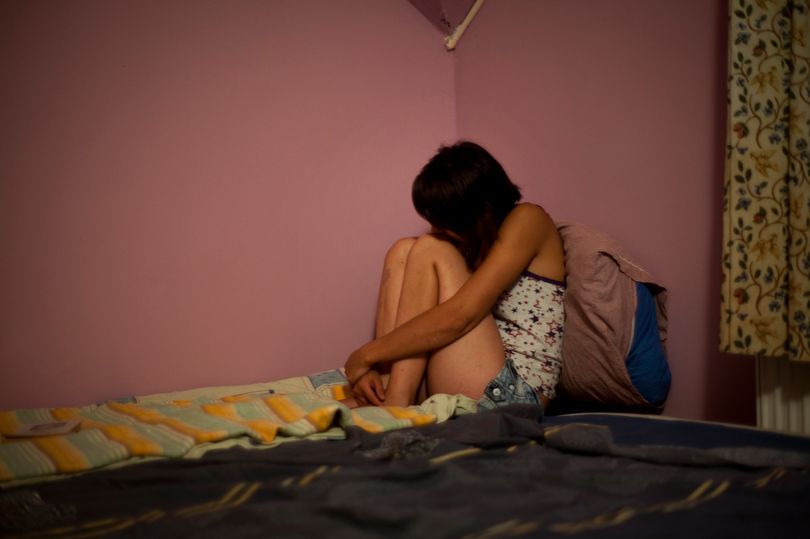
One out of every ten adults in Ireland say they have been a victim of sexual assault while 71 percent state they did not report it gardaí , according to a recent survey.
The survey conducted by IPSOS on behalf of the Dublin Rape Crisis Center (DRCC) Highlights the prevalent issue of sexual assault in this nation and underscores the substantial hurdles encountered by survivors when coming forward. The study revealed that one in five individuals think fabricated claims are frequent, with males below 25 years old being up to seven times more prone to adopt victim-blame perspectives compared to their elder counterparts.
Out of 1,042 individuals aged 16 and above in Ireland, 33 percent report having experienced sexual assault, whereas 5 percent indicate they have been victims. raped Nearly half (45 percent) mentioned that they are acquainted with someone who has faced sexual assault.
READ MORE: A former Dublin Bus mechanic siphoned €147 worth of diesel from the company’s vehicles into his van, but he was identified through surveillance footage.
READ MORE: The Met Éireann assessment of the 'Beast from the East' hitting Ireland as the specific date for the weather shift is set.
The study indicates that the occurrence of sexual assault is almost double among women relative to men. Nonetheless, the general population thinks there ought to be extra assistance provided to male survivors, as 87 percent assert that further action is required to address the matter of male sexual violence.
People who experience such incidents rarely come forward; 71% mentioned they did not report it to the Garda. Approximately 70% stated they did not receive medical care after the incident, and 59% did not look for counseling or support services. There’s also a significant difference between how women and men perceive their safety: only 48% of women say they feel “completely or mostly” secure, compared to 80% of men.
About 16 percent of all participants indicated that they feel personally vulnerable to sexual assault, whereas 31 percent expressed significant worry regarding the matter of rape or sexual violence. The DRCC notes that even though there’s substantial public consciousness on this topic, there remains a minor yet troubling segment of people who question allegations made by survivors of sexual abuse.
Approximately 20 percent consider false accusations to be frequent, while 11 percent feel that an individual shouldn't be trusted until they receive a conviction. court And 12 percent believe that individuals who do not report an incident to the police should not be considered credible. Nonetheless, there is a significant public belief in ongoing difficulties faced by victims of sexual assault, as 76 percent agree that survivors of sexual offenses encounter more obstacles compared to other types of victims throughout the legal proceedings.
Charlene Masterson, who survived sexual violence, expressed her disappointment at seeing the significant amount of victim-blaming highlighted by the survey. She further noted: “It’s precisely this reason that makes victims extremely reluctant to come forward to the Gardaí, reach out for assistance from aid organizations, or share their experiences with loved ones.”
People who experience abuse are often not believed – you frequently hear questions like, ‘Why did she remain,’ or ‘Why didn’t he shout for help’ – yet seldom do you hear, ‘Why did he assault her?’ The reality is that society needs to acknowledge we're facing a sexual violence crisis, and without altering our perspectives, this issue will continue to escalate.
The DRCC Director, Rachel Morrogh, stated that it is concerning to observe a significant disparity between genders on this matter. She explained: "Clearly—among men, their perspectives vary greatly based on age, particularly younger men under 25 who are up to seven times more prone to adopt victim-blaming stances compared to those in older brackets—for instance, 28% of males aged 16-24 think that claims about sexual assault tend to be exaggerated rather than genuine issues, whereas only 4% of men within the 55-64 range share these beliefs. Addressing this divide should be an immediate priority."
This lack of trust among survivors is supported by evidence indicating that individuals who have faced sexual assault often refrain from informing the Gardaí or confiding in others due to concerns about disbelief and social stigmatization. This aligns with what the Dublin Rape Crisis Centres frequently hear from victims—that they haven’t shared their experiences for fear of not being taken seriously. Blaming victims is far from an innocent action.
This stifles victims and discourages them from pursuing assistance, fairness, or recovery. That’s why many wrongdoers evade repercussions for their actions. This study has exposed these mindsets, which sustain a severely damaging pattern within our community, and we need to disrupt it.
Sign up for our newsletter to get the most recent updates from the Irish Mirror delivered straight to your mailbox: Sign up here.